WP1
Design and modeling
Model and design the qubit chip and its circuits.

PROJECT DURATION: 09/2023 - 08/2026
Scaling quantum computers from laboratory systems to large-scale, fault-tolerant machines remains one of the biggest challenges in the field, and a necessary step before they can deliver real-world impact.
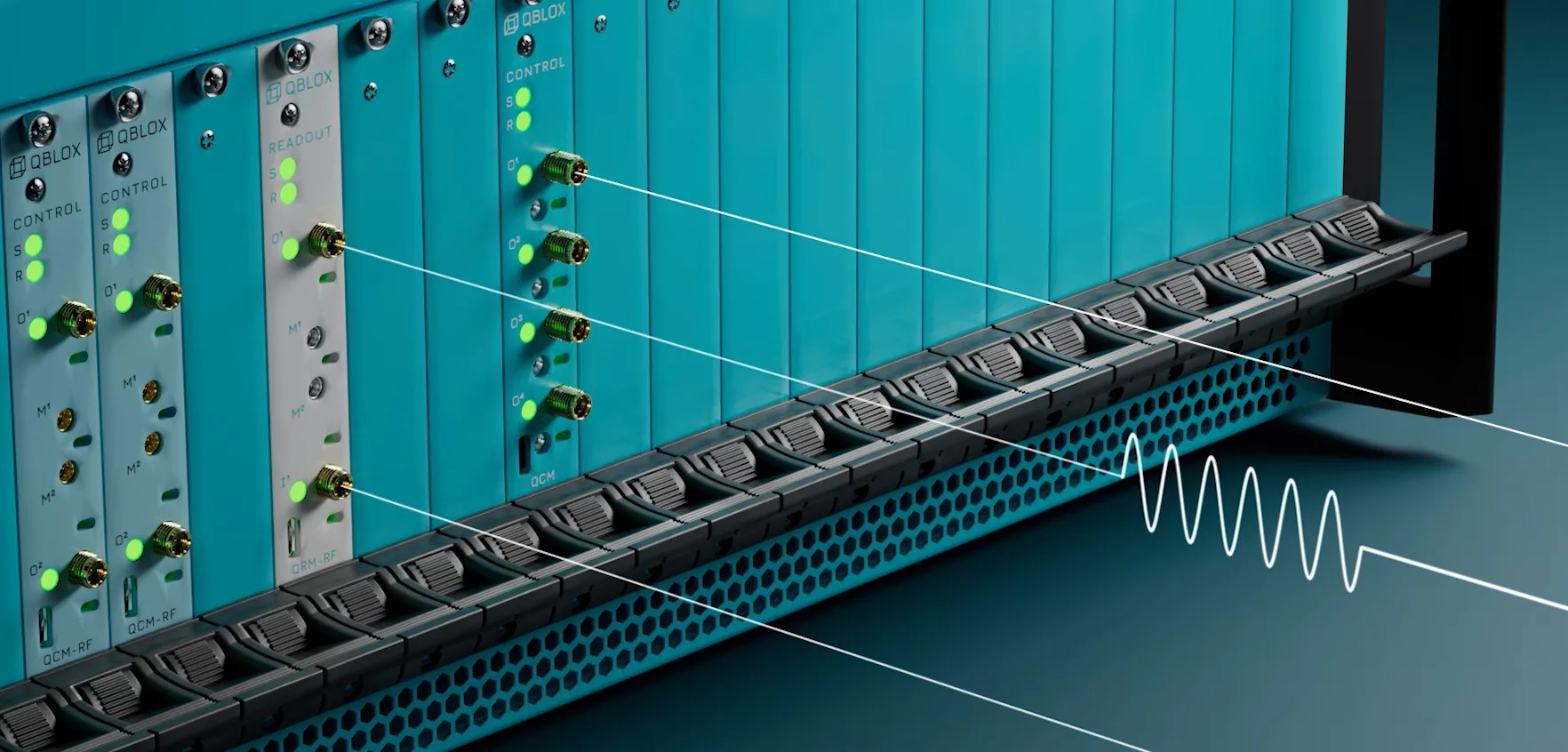
The SCALLOP project addresses this challenge by combining a cryo-optimized CMOS multiplexer with scalable readout electronics, enabling precise control of high-quality silicon spin qubits.
The goal of the project is to develop and validate the core hardware components required for a scalable, full-stack quantum computer. SemiQon contributes the qubit and multiplexer technology, while Qblox brings extensive experience in gate-model quantum computing characterization and control. Together, this work marks a significant step towards quantum computers that can scale to the qubit counts real applications demand.
The project team brings together complementary expertise: fabrication of semiconductor quantum devices in a pilot line environment, characterization at both room and cryogenic temperatures, and control and automation of qubit measurements.
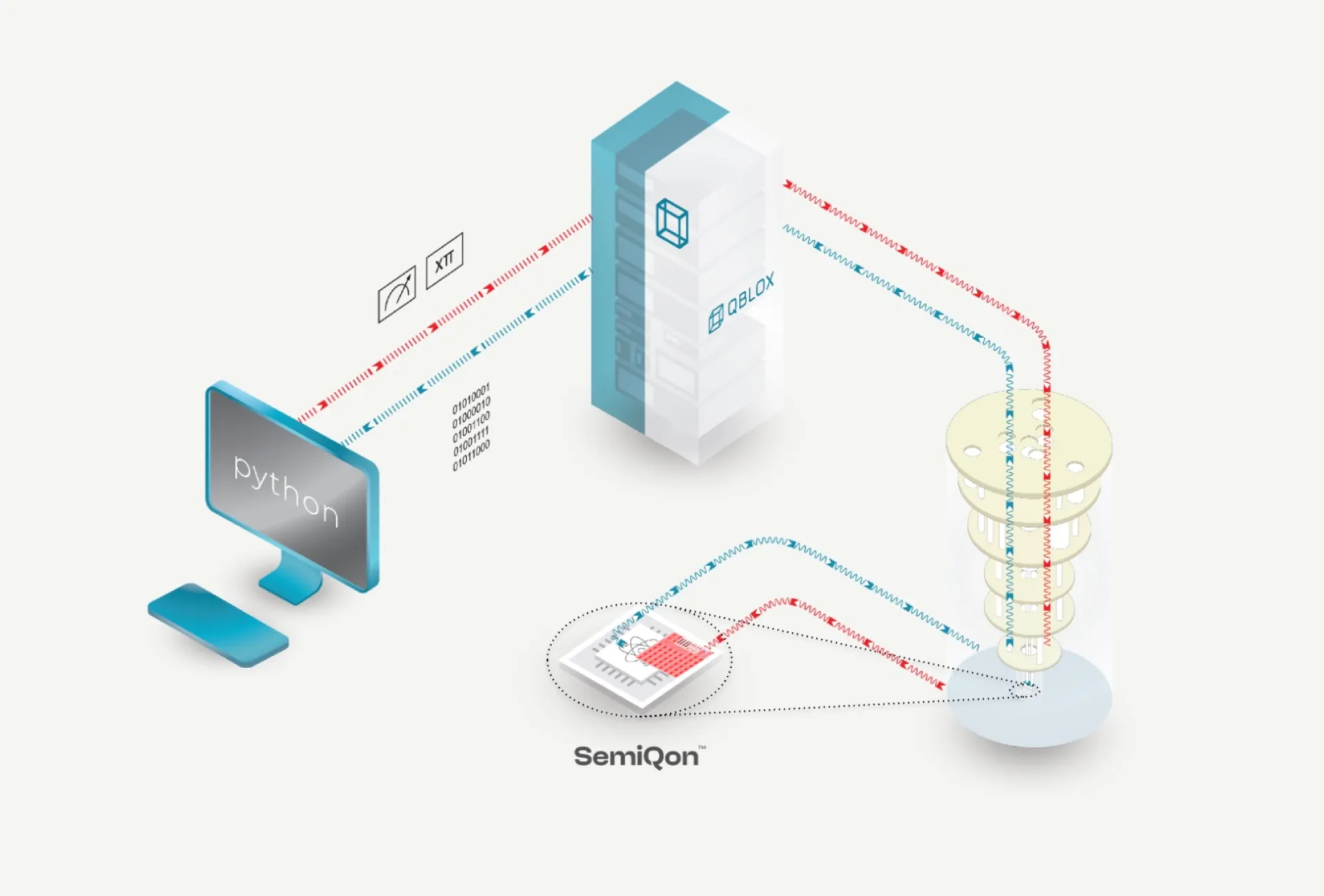
SCALLOP (Scalable Hardware for Large-Scale Quantum Computing) brings together SemiQon's silicon semiconductor technologies and Qblox's modular control and readout electronics to tackle a key challenge in scaling qubits: controlling and measuring more devices at very low temperatures without excessive wiring, heat or system complexity.
Supported by the European Innovation Council's Transition programme, the project aims to advance these technologies from proof of concept towards a demonstrator for silicon spin-qubit development. Our objectives are to:
SCALLOP establishes enabling hardware and an experimental platform for further quantum-hardware development. Key results include:
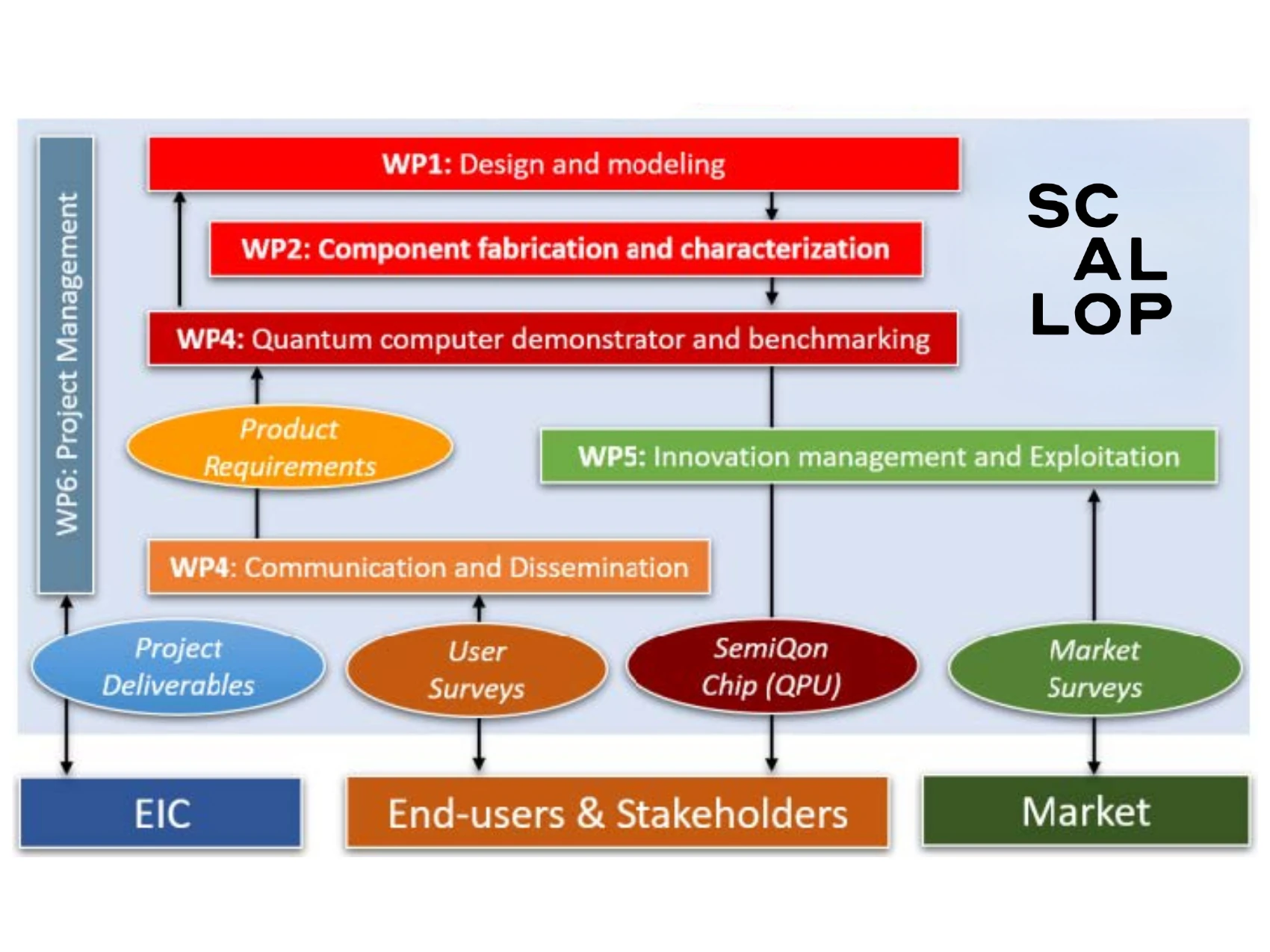
WP1
Model and design the qubit chip and its circuits.
WP2
Fabricate and test the hardware components.
WP3
Assemble and benchmark a full-stack quantum computer demonstrator.
WP4
Share the project and its results with outside audiences.
WP5
Take the technology towards the market.
WP6
Coordinate the project and its reporting.
SemiQon’s mission is to realize the promise of quantum computing by delivering scalability through powerful, resilient, and cost-effective silicon-based quantum hardware. Its technology builds upon decades of development and know-how from the semiconductor industry, making its cryo-optimized CMOS electronics commercially competitive and well-suited for mass-manufacturing. SemiQon’s first-in-the-world cryo-optimized CMOS delivers scalability and power efficiency to wide-ranging applications in quantum, space, and beyond.
Visit website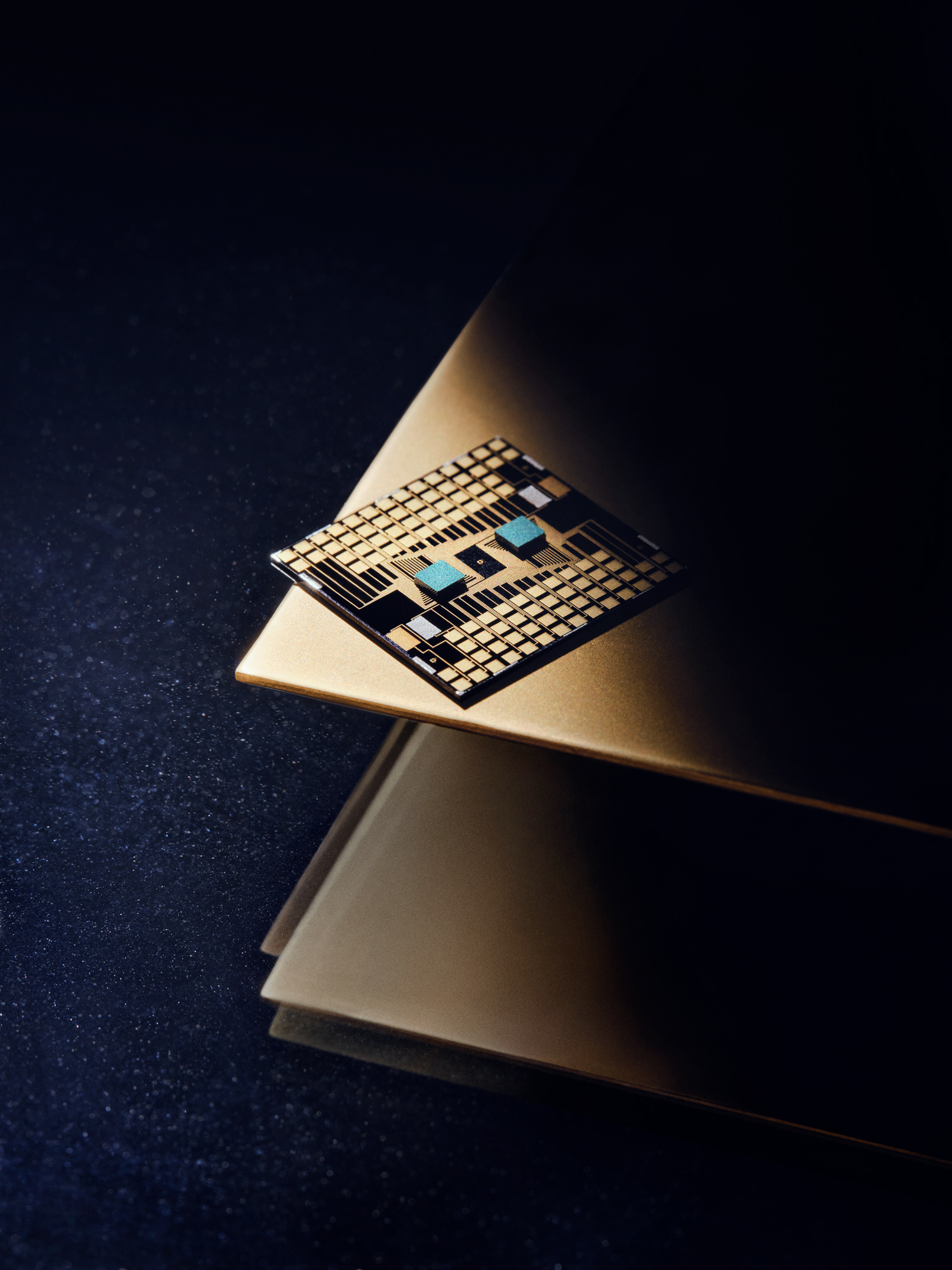
Qblox operates at the frontier of the quantum revolution, supporting academic laboratories worldwide. This is made possible by our passionate, dynamic and diverse team. With a dedicated team of scientists, engineers and developers we are pushing quantum technology to support scientists and institutions worldwide with our scalable and low-latency qubit control equipment.
Visit website